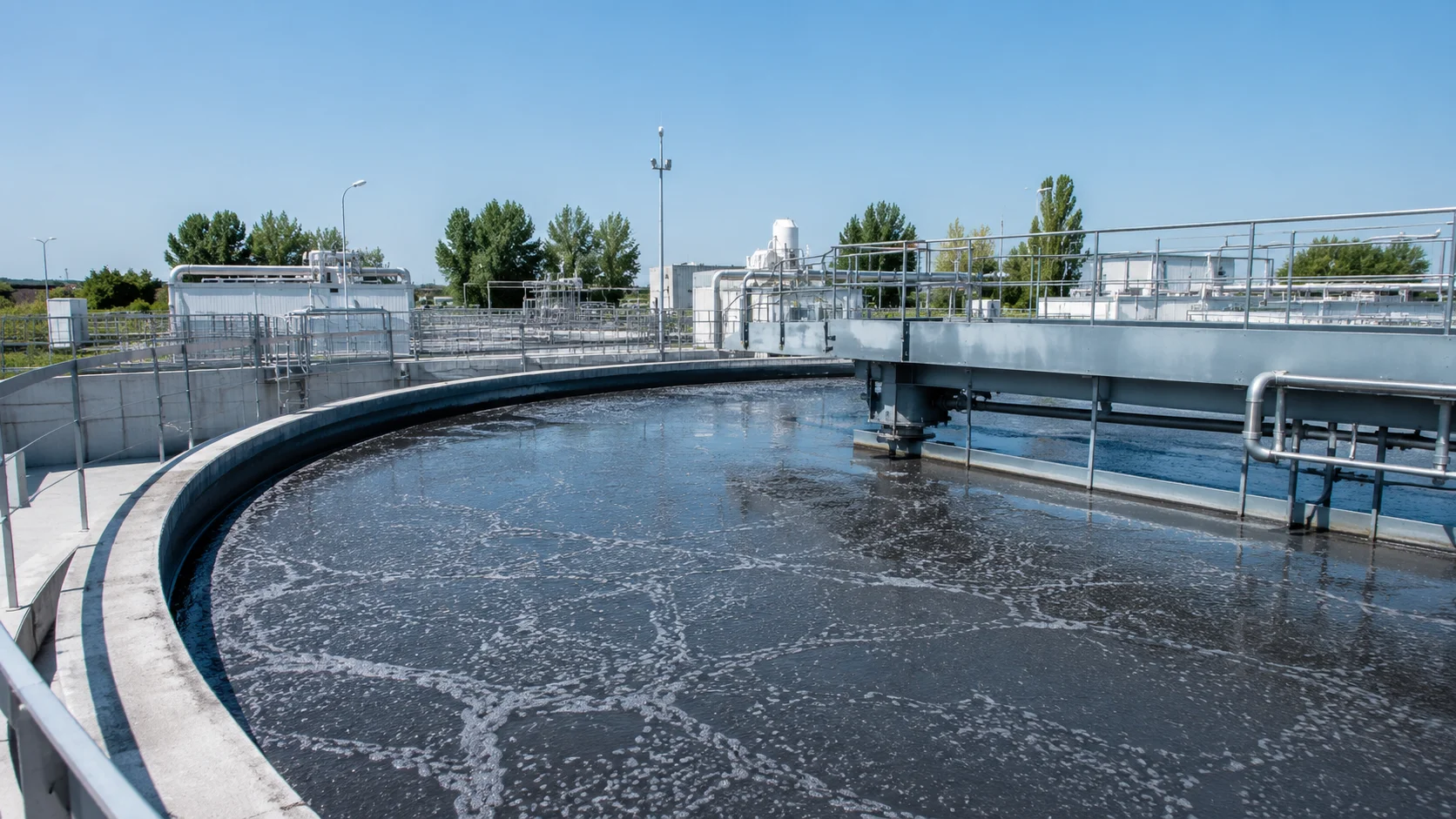
Wastewater Treatment Facilities

Microlife Bacterial Cultures in Wastewater Treatment

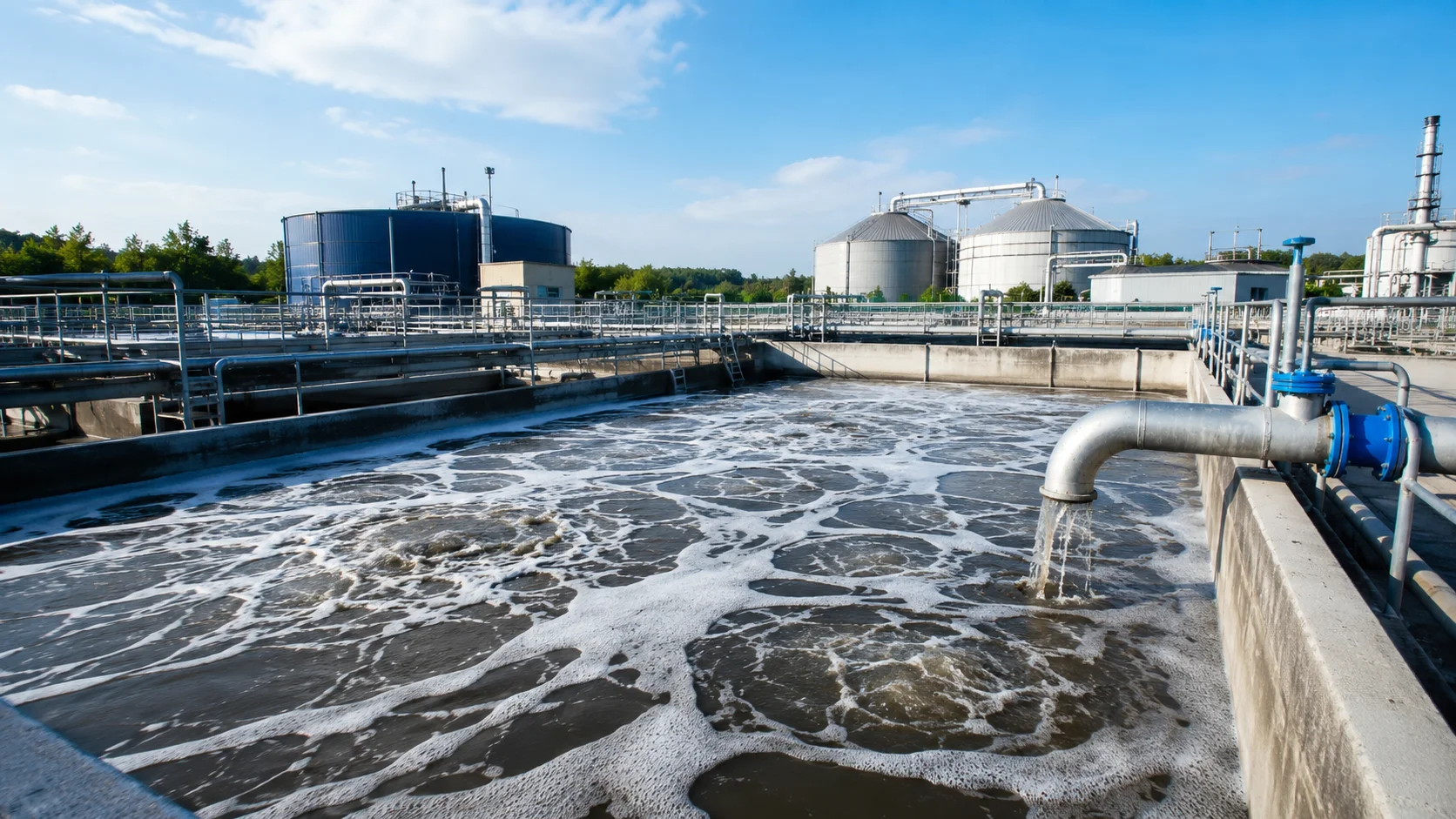
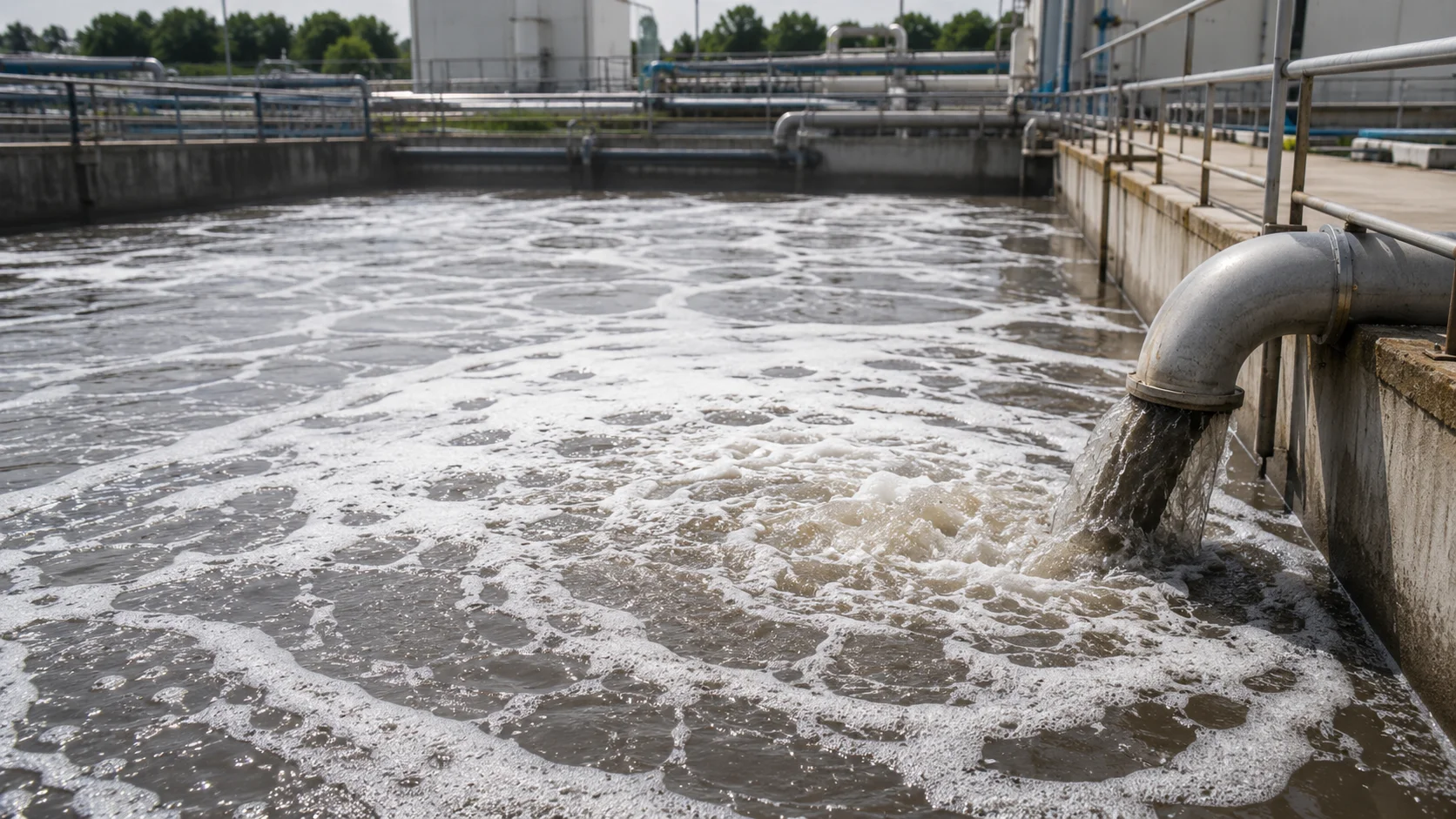
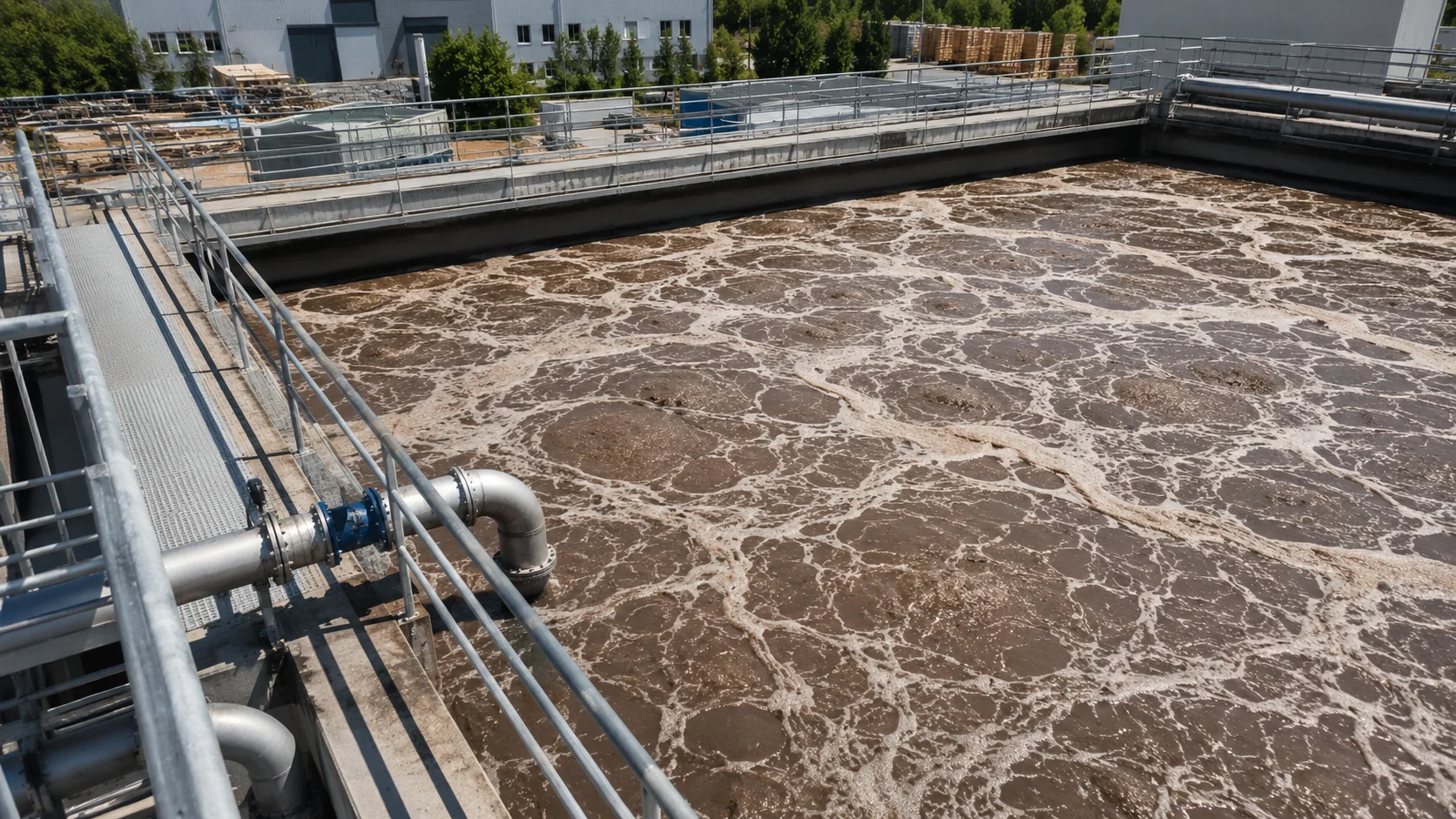
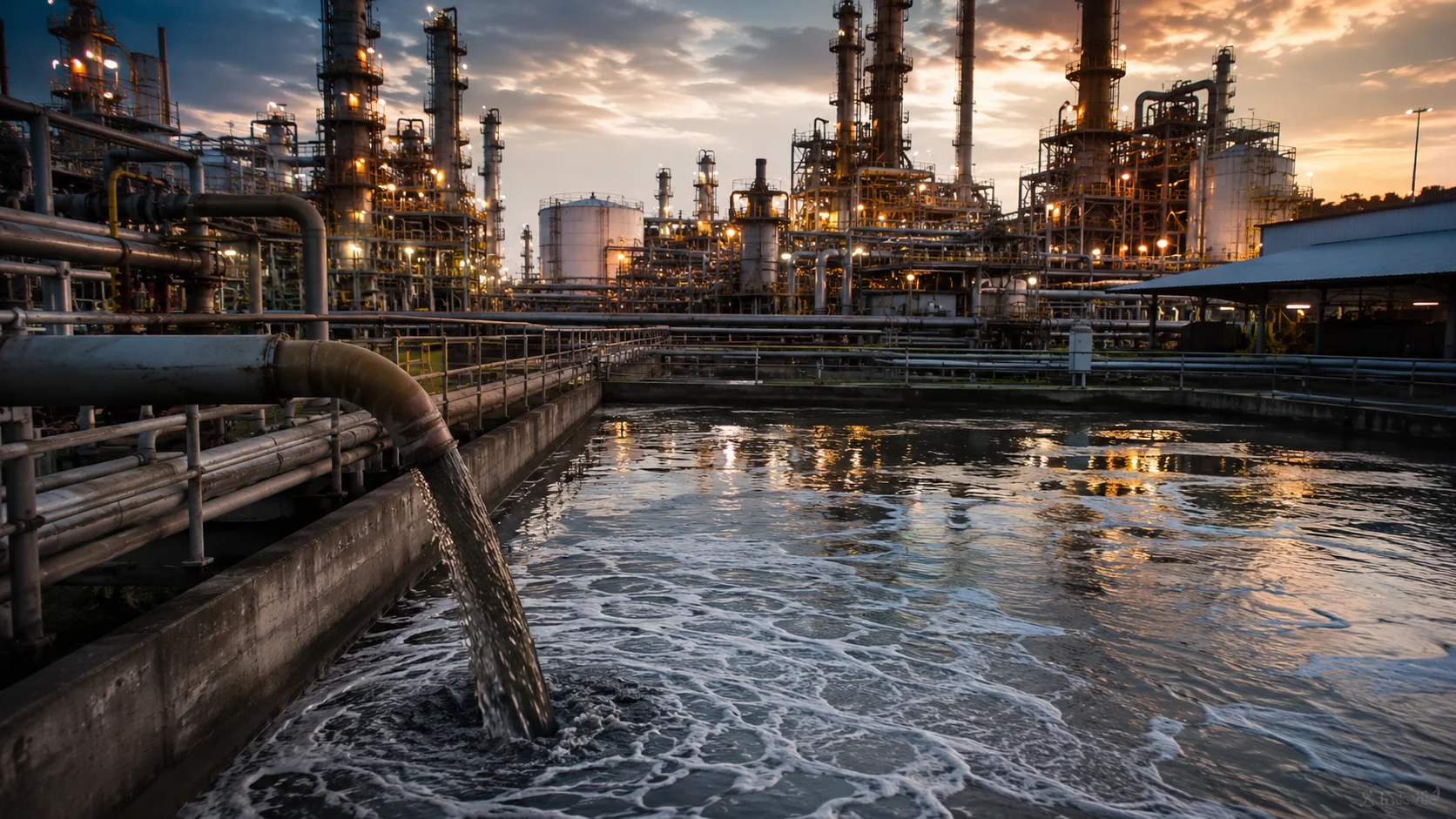
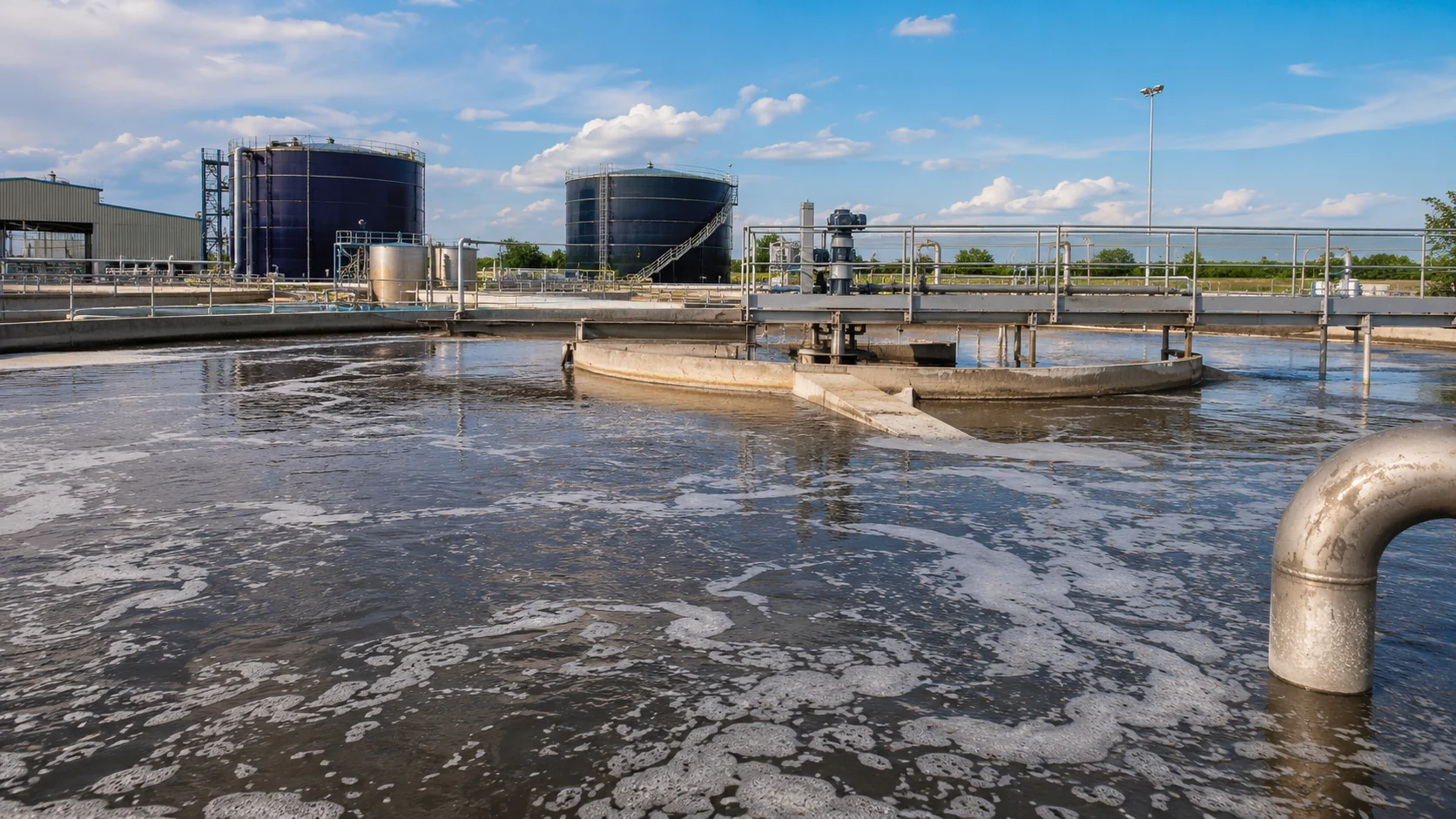
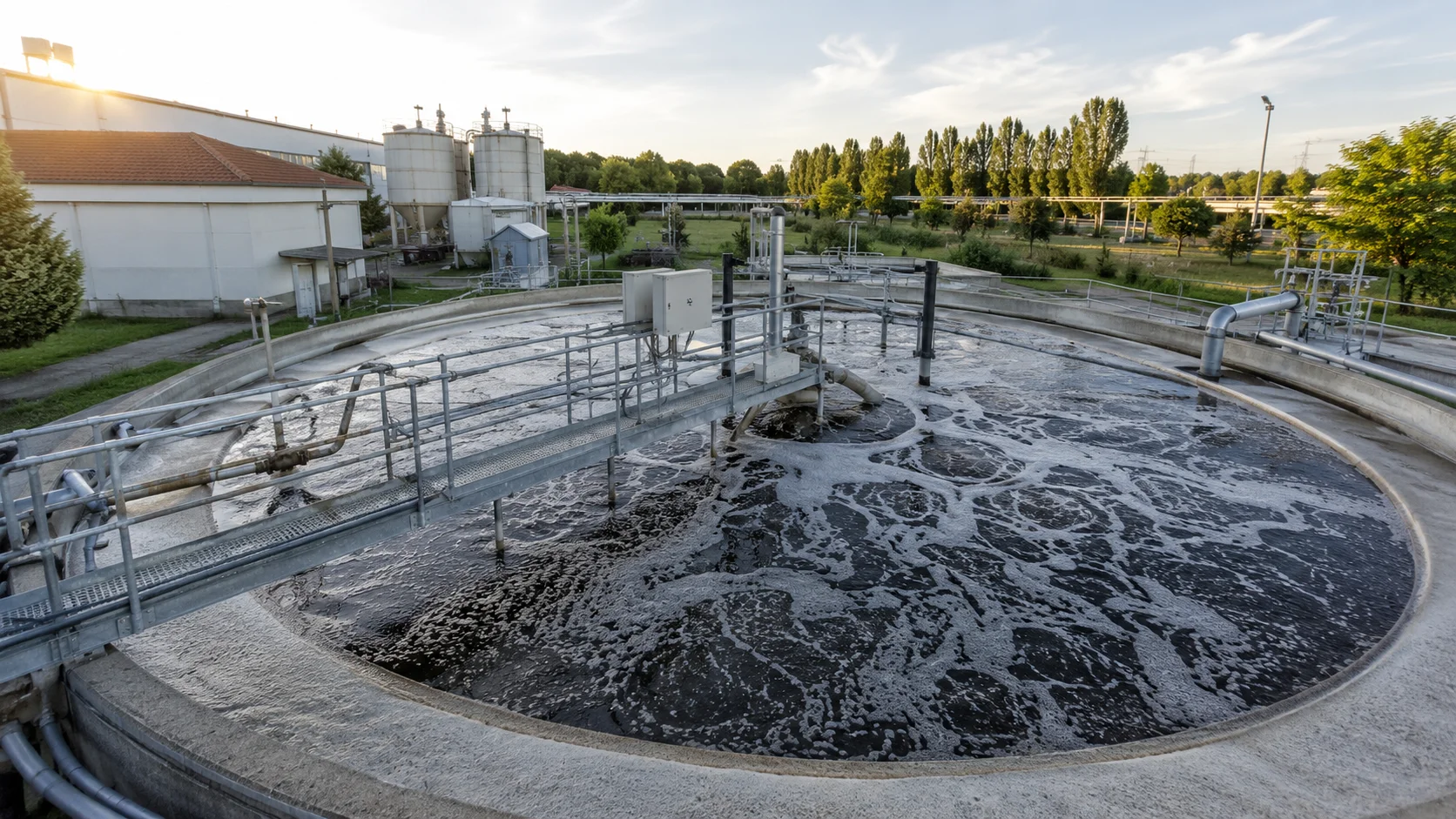
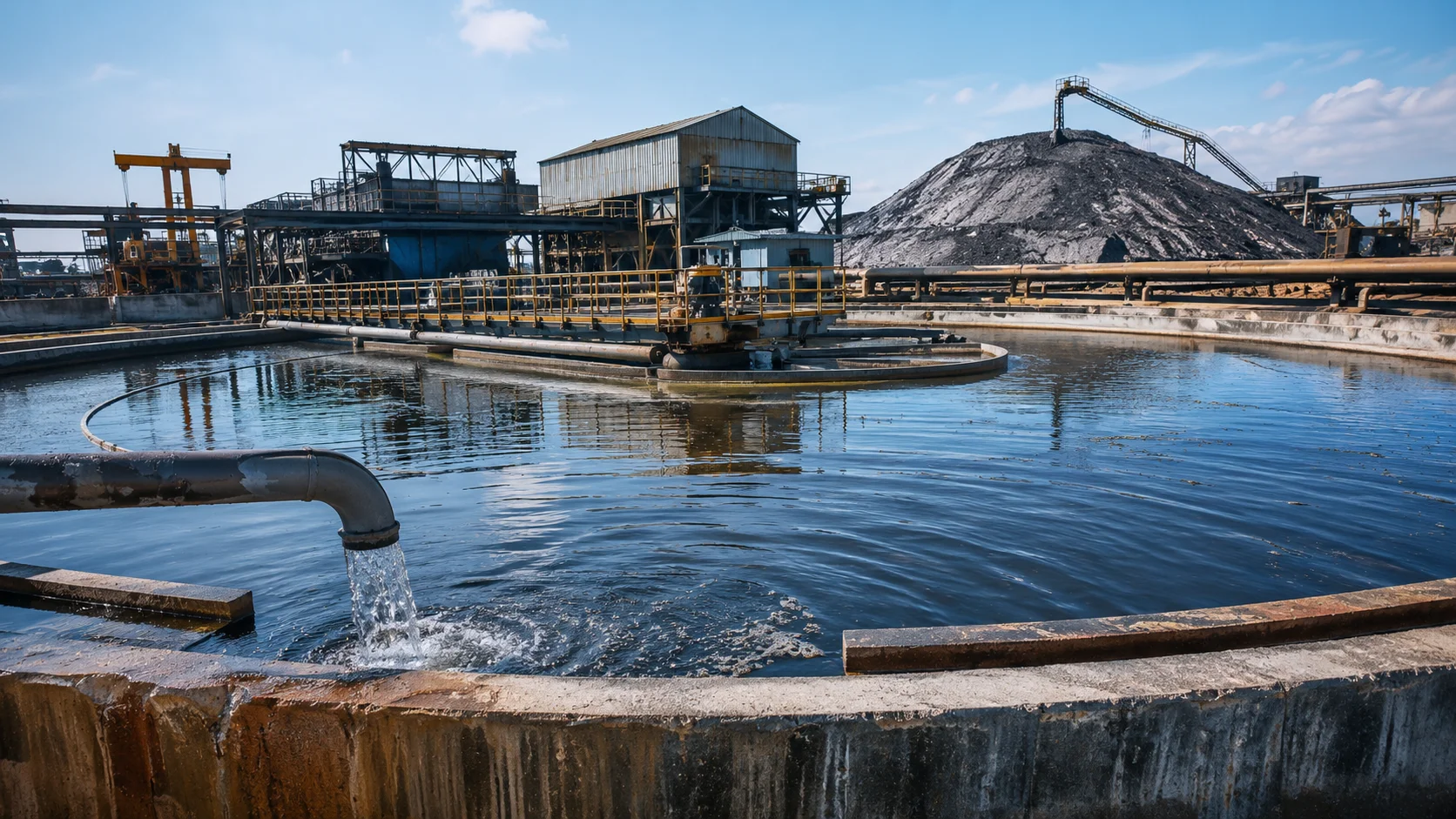
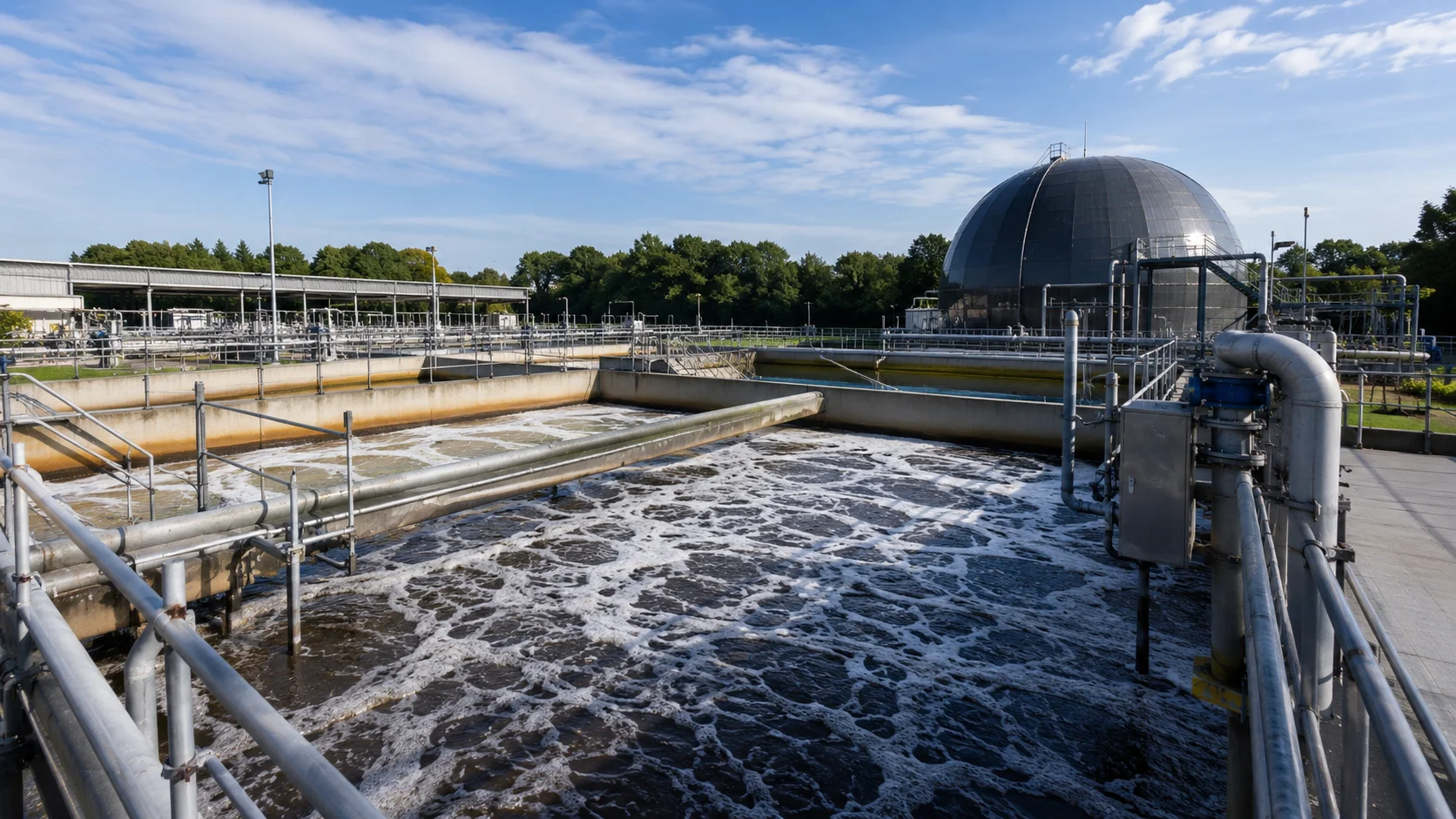
Microlife wastewater treatment bacteria are formulated to enable wastewater treatment plants to be commissioned quickly and operated efficiently.

With Microlife Wastewater Treatment Plant Products;

  • It enables the rapid commissioning of domestic and industrial wastewater treatment plants.
  • It increases biogas production.
  • It improves anaerobic treatment efficiency.
  • It is available in liquid or powder forms according to the user’s request.
  • It solves the problems encountered in the treatment of toxic industrial waste.
  • It allows the plant to return to normal operation quickly after toxic shocks.
  • It is used in the effective fight against unwanted species such as filamentous bacteria. When used regularly, it reduces the operating cost of the treatment plant.

For information on our ®Neutroair odor removal products, developed to eliminate odors in wastewater treatment plants, please visit our website at www.neutroair.com.

Get a Quote Now

    Full Name :

    Phone :

    Email :

    Product :

    Message :

    PRODUCTS

    DCB002

    It supports the flocculation and nitrification process. It increases the efficiency of the plant. It stops the formation of filamentous bacteria.

    DCD006

    It ensures rapid reduction of waste in wastewater. It ensures rapid commissioning of facilities. It helps to restore process balance in facilities with waste loads exceeding their capacity.

    DCD009

    It supports the biological transformation of industrial wastes in wastewater. It shortens the commissioning time of plants. It helps in the breakdown of long carbon chain, aromatic, halogenated and non-halogenated compounds through biological oxidation and dehalogenation.

    DCT001

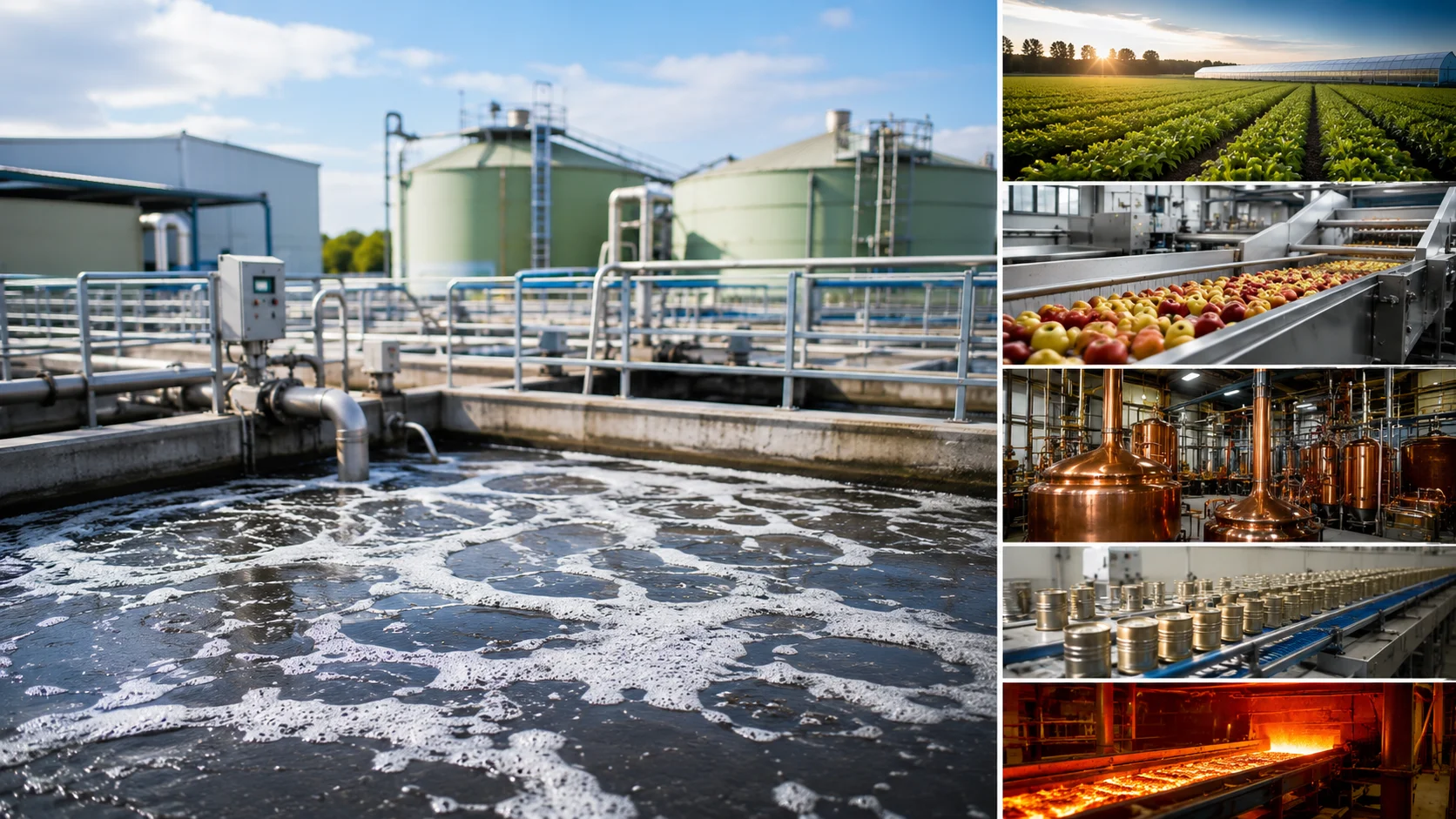
    Decomposition of phenol, halo hydrocarbons, benzene, trimethylamine, ethanol, chloromethane, and formaldehyde. Specifically developed for use in agriculture, the food industry, canning factories, breweries, and industrial ovens.

    DCT002

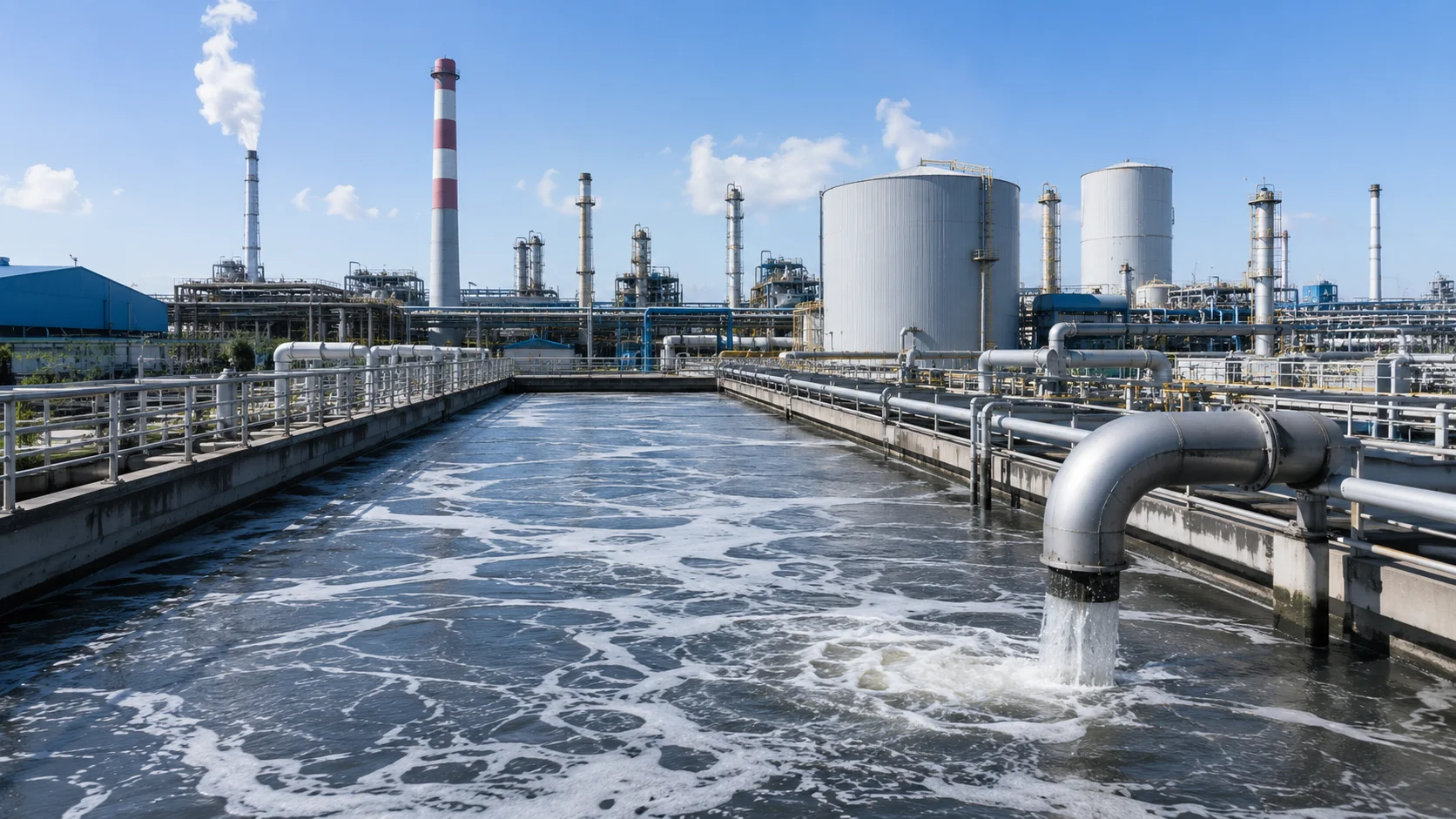
    Decomposition of phenol, halo hydrocarbons, benzene, trimethylamine, ethanol, chloromethane, and formaldehyde. Specifically developed for use in petrochemical, textile dyeing and finishing, coal and byproduct industries, phenol waste, paper manufacturing plants, and tanneries.

    DCT003

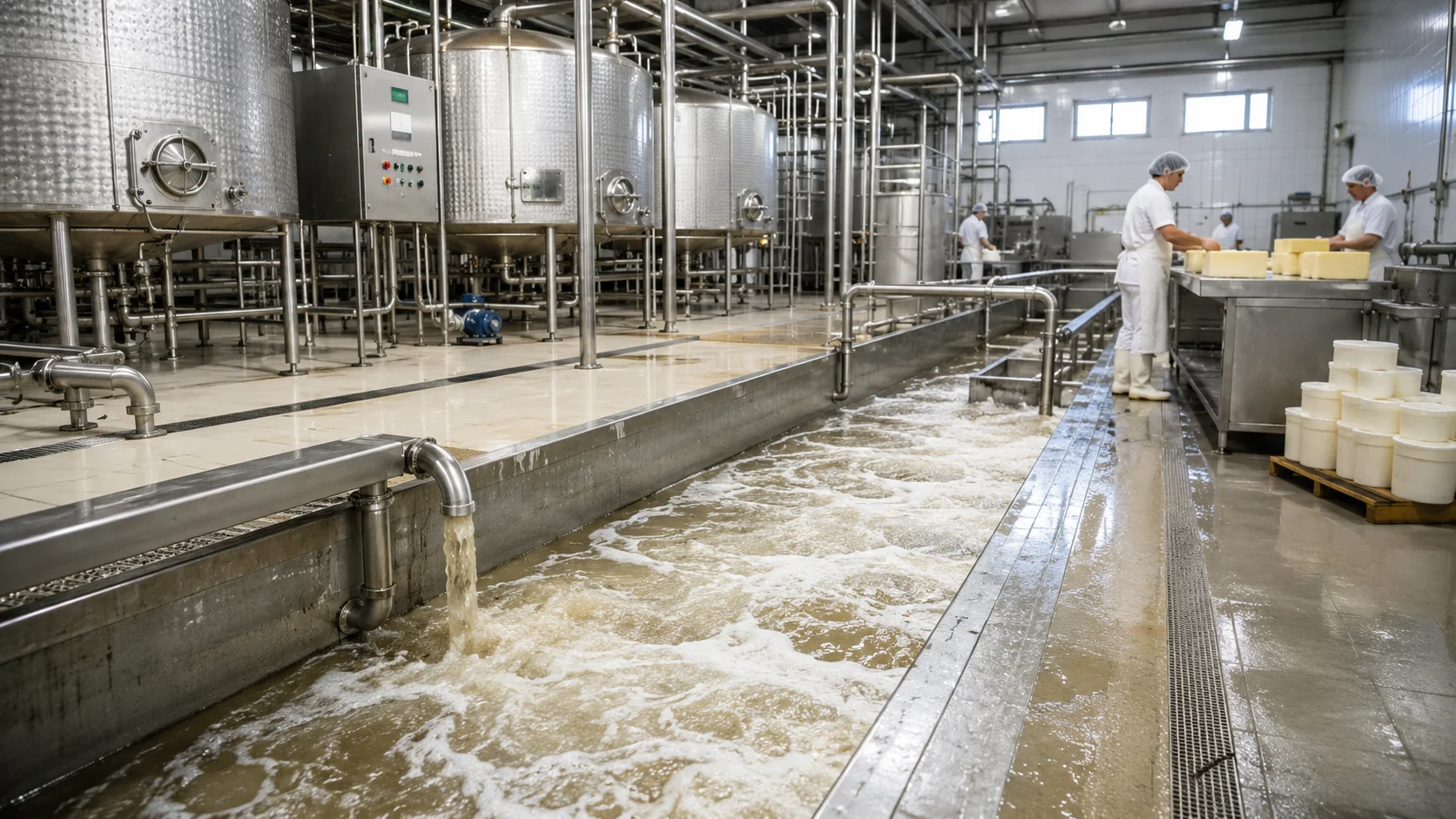
    Degradation of triglycerides, grease, naphthalene, and natural hydrocarbons. Specifically developed for use in dairies, cheese factories, delicatessen industries, oil factories, soap factories, salting plants, meat packing plants, tallow processing plants, and wool washing factories.

    DCT004

    Microlife DCT004, with its active ingredients, enables the transformation of chemical waste in wastewater from the surfactant, soap, and detergent industries. It helps prevent filamentous bacteria problems. It breaks down anionic, cationic, and non-ionic surfactants through biological oxidation and dehalogenation.

    DCT005

    Degradation of starch, lignin, and cellulose. Developed for use in the agricultural and food industries. Starch, pulp, and paper mills. Tanneries and accelerating the composting process.

    DCT006

    Decomposition of biphenyls and chlorohydrocarbons. Developed for use in petrochemical waste, power plants, metallurgical industries, solvents, etc.

    DCT007

    Decomposition of chlorohydrocarbons and chlorophenols. Developed for use in the waste of agriculture and the food industry, sugar factories, slaughterhouses, and tanneries.

    DCT008

    Microlife DCT008 contains microorganisms specifically selected for their hydrocarbon scavenging effects. It breaks down long-chain hydrocarbons and aromatic compounds through biological oxidation and dehalogenation.

    DCT009

    Decomposition of cyanides and their by-products. Developed for use in metallurgy and related industries, mining, and the recovery of accidental spills.

    DCT010

    Decomposition of sulfur and hydrocarbons and organic deposits. Prevention of anaerobic formations. Specifically developed for urban municipal wastewater treatment plants.

    DCT012

    Microlife DCT012 contains nitrification microorganisms. These microorganisms fix to mineral supports, providing high degradation capacity for the mineral supports to break down wastewater, while also protecting them from external influences.

    The microorganisms in Microlife products consume existing debris as food.

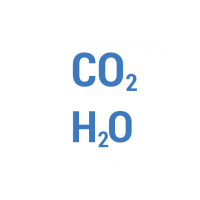
    When Microlife is used, waste is completely converted into water and carbon dioxide. Waste does not break off and drift, preventing future blockages. It does not accumulate in sewers and grease traps.

    Microlife aims to reduce blockages, overflows, and odor problems in kitchen and toilet drains.

    The goal of Microlife representatives is not just to supply products, but to provide services and solutions.

    Microlife delivers fast and reliable results to meet customer needs.

    Boost Your Business Efficiency with Natural Solutions

    At Microlife, we help you achieve more efficient and sustainable results in waste management, odor control, wastewater treatment, agriculture, and livestock farming with our environmentally friendly biological products.